Digital Wallets: Costs, Security & Trust Compared
Exploring the financial implications, safety concerns, and trust factors of digital payment solutions
Understanding Digital Wallet Costs
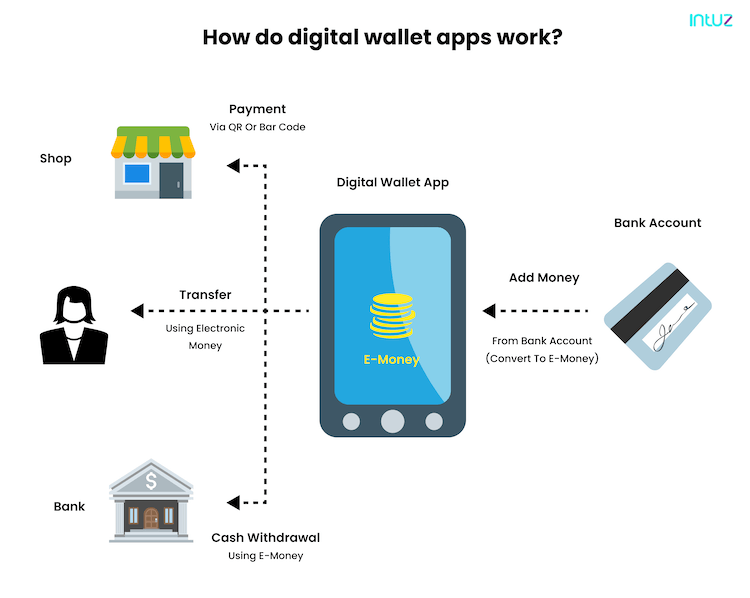
Digital wallets have revolutionized how we make payments, store financial information, and manage our money. While many digital wallet services are free for basic use, there are several potential costs and financial implications users should consider.

Direct and Indirect Costs
Most digital wallet providers don't charge users directly for basic services. Instead, they generate revenue from merchants through transaction fees, which typically range from 1.5% to 3% per transaction. These fees are generally lower than traditional credit card processing fees, which is why many businesses encourage digital wallet use.
According to a Federal Reserve study, the adoption of mobile payments continues to grow, with approximately 68% of the population using some form of digital payment in 2022.
The Biggest Threat to Digital Wallets
While digital wallets employ advanced security measures, they are not immune to threats. The most significant risk is unauthorized account access through phishing attacks, social engineering, or credential theft.
Potential Downsides of Digital Wallet Payments
Despite their convenience, digital wallets present several potential drawbacks that users should consider:
Technology Dependency
Digital wallets require a functioning smartphone, watch, or other electronic device with adequate battery life. If your device loses power or malfunctions, you may be unable to complete transactions.
Merchant Acceptance
While growing, digital wallet acceptance isn't universal. Some smaller retailers and businesses may not support your preferred payment method, requiring alternative payment options.
Privacy Concerns
Digital wallet providers collect significant data about your spending habits, location, and preferences. This information could potentially be used for targeted advertising or, in worst-case scenarios, compromised in data breaches.
The Federal Trade Commission provides guidelines for protecting consumer privacy in digital payment systems.
Digital Wallet Safety
When properly implemented and used correctly, digital wallets are generally considered safe—often safer than physical cards. They utilize multiple security layers including:
- Tokenization: Replacing sensitive card details with unique digital tokens
- Biometric authentication: Fingerprint or facial recognition requirements
- Encryption: Protecting data both in transit and at rest
- Device-specific authorization: Transactions often require device unlock
Most Trusted Digital Wallets
Trust in digital wallets varies by region and demographic, but several providers consistently rank highly in security and reliability:
| Wallet | Market Share | Security Features | User Rating |
|---|---|---|---|
| Apple Pay | ~45% (US) | Biometric auth, tokenization, device account numbers | 4.8/5 |
| Google Pay | ~35% (Global) | Encrypted cloud storage, fraud protection | 4.5/5 |
| Samsung Pay | ~15% (Global) | MST technology, Knox security, tokenization | 4.3/5 |
| PayPal | ~60% (Online) | Purchase protection, encryption, 24/7 monitoring | 4.6/5 |
Digital Wallet vs. Credit Card Safety
When comparing safety, digital wallets generally have several advantages over traditional credit cards:
Digital Wallet Advantages
- No physical card to lose or steal
- Tokenization replaces actual card numbers
- Biometric authentication requirements
- Remote wipe capabilities if device is lost
- Transaction-specific authorization codes

Key Takeaways
- Minimal direct costs to consumers
- Generally safer than physical cards
- Phishing is the biggest threat
- Technology dependency is a key downside
- Apple Pay is most trusted in the US
Related Topics
- Contactless Payment Limits
- Biometric Authentication
- Cryptocurrency Wallets
- PCI Compliance Standards
- Mobile Banking Security
Security Tips
- Use strong, unique passwords
- Enable two-factor authentication
- Regularly monitor transactions
- Keep your device OS updated
- Use biometric authentication
Recommended Resources
Conclusion
Digital wallets offer a convenient and generally secure payment method with minimal direct costs to consumers. While they present certain risks like phishing attacks and technology dependencies, their security features often make them safer than traditional credit cards. As with any financial tool, users should practice good security hygiene, enable all available protection features, and monitor accounts regularly for suspicious activity.
The digital payment landscape continues to evolve, with new security features and providers entering the market regularly. Staying informed about the latest developments will help consumers make the best choices for their financial security and convenience needs.


0 Comments
Comment your problems without sing up