Apple Pay vs Google Pay vs Samsung Pay: Which Mobile Wallet Wins in 2025?

Introduction: The Mobile Payment Revolution
As we move further into the digital age, mobile wallets have evolved from novelty features to essential everyday tools. By 2025, an estimated 60% of smartphone users will regularly use mobile payment systems, making the choice between Apple Pay, Google Pay, and Samsung Pay more important than ever.
This comprehensive comparison examines the three major mobile wallets head-to-head, evaluating their features, security, compatibility, and benefits for both consumers and businesses. Whether you're an iPhone loyalist, an Android enthusiast, or a business owner looking to implement mobile payments, this guide will help you determine which solution best meets your needs in 2025.
What Are Mobile Wallets and How Do They Work?
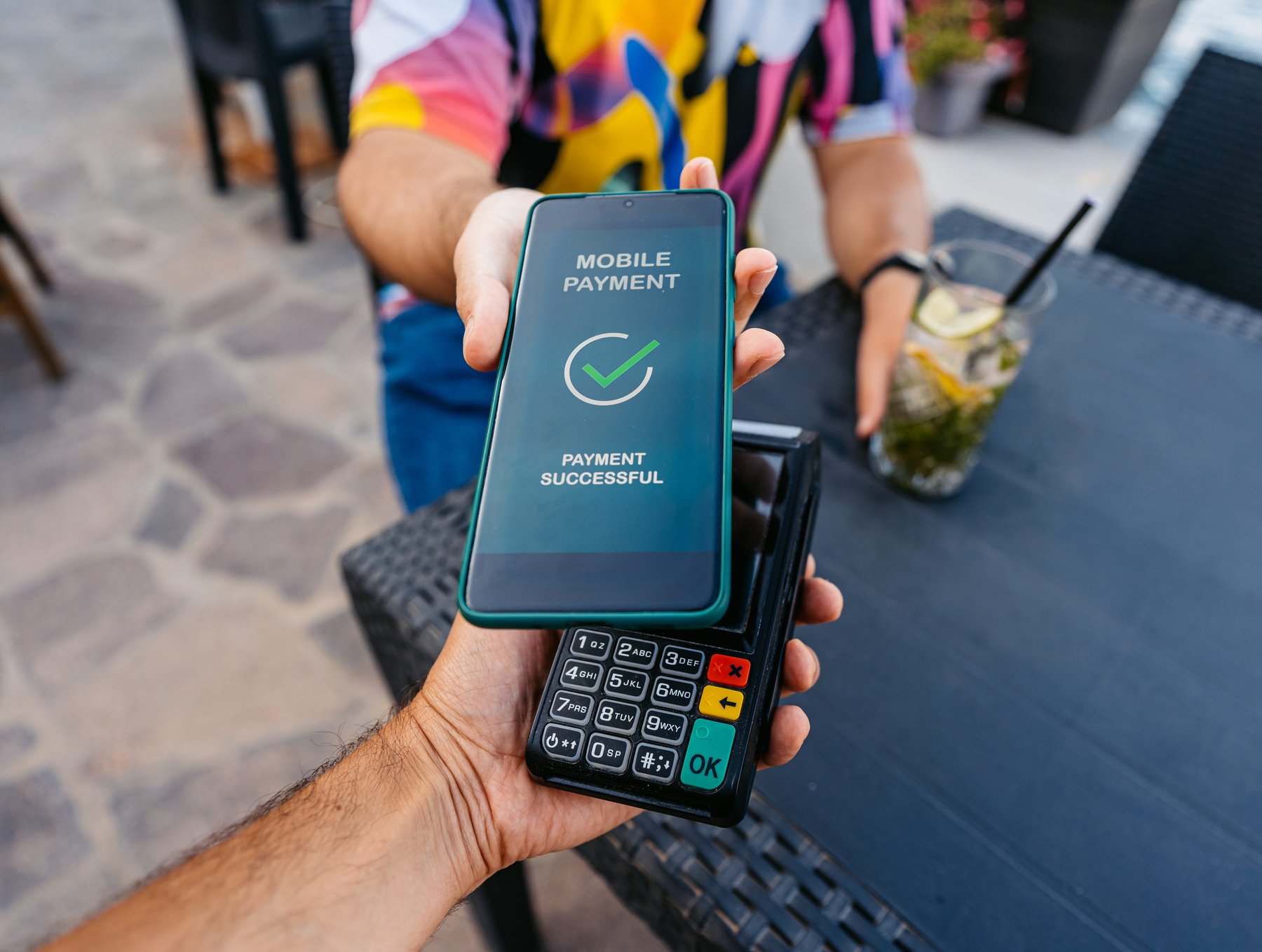
Mobile wallets are digital versions of traditional wallets that store payment information on mobile devices. Using Near Field Communication (NFC) technology, they allow users to make contactless payments at point-of-sale terminals. Additionally, they facilitate in-app and online purchases without manually entering card details.
All three major wallets—Apple Pay, Google Pay, and Samsung Pay—use tokenization to enhance security. This technology replaces your actual card details with a unique digital token, ensuring your sensitive information is never shared directly with merchants.
Comprehensive Comparison Table
| Feature | Apple Pay | Google Pay | Samsung Pay |
|---|---|---|---|
| Device Compatibility | Apple devices only | Android & iOS | Samsung devices only |
| Technology | NFC | NFC | NFC + MST |
| Security | Biometrics + Tokenization | Biometrics + Tokenization | Biometrics + Tokenization + Knox |
| Global Availability | 70+ countries | 40+ countries | 25+ countries |
| Loyalty Program Integration | Excellent | Excellent | Good |
| Browser Payment Support | Safari only | Chrome & others | Limited |
| Peer-to-Peer Payments | Apple Cash | Google Pay P2P | Samsung Pay Cash |
In-Depth Analysis of Each Mobile Wallet
Apple Pay
Seamless integration for Apple ecosystem users
Overview
Launched in 2014, Apple Pay has become the dominant mobile payment solution for iOS users. With its tight integration across Apple devices including iPhone, Apple Watch, iPad, and Mac, it offers a seamless experience for customers invested in the Apple ecosystem.
Key Features
- Works across iPhone, Apple Watch, iPad, and Mac
- Requires Face ID, Touch ID, or passcode for authentication
- Integrated with Apple Wallet for boarding passes, tickets, and loyalty cards
- Apple Card integration with cashback rewards
- Private and secure transactions with device-specific numbers
Strengths
- Superior user experience and seamless ecosystem integration
- Widest global availability among mobile wallets
- Strong security with dedicated Secure Element chip
- High adoption rate among premium retailers
Limitations
- Only available on Apple devices
- Limited to NFC-enabled terminals (no MST technology)
- Less flexibility for non-Apple users
Google Pay
The cross-platform solution for Android and beyond
Overview
Google Pay represents the rebranded and unified payment platform from Google, combining the former Android Pay and Google Wallet services. As the most platform-agnostic solution, it works across both Android and iOS devices, making it accessible to a broader user base.
Key Features
- Works on both Android and iOS devices
- Integration with other Google services
- Strong rewards and offers program
- Peer-to-peer payments
- Digital loyalty program integration
Strengths
- Cross-platform compatibility
- Deep integration with Google services
- Strong web payment support across browsers
- Comprehensive rewards program
Limitations
- Limited to NFC-enabled terminals
- Smaller global footprint than Apple Pay
- Variable experience across different Android devices
Samsung Pay
Maximum compatibility with MST technology
Overview
Samsung Pay stands out with its unique Magnetic Secure Transmission (MST) technology, which allows it to work with traditional magnetic stripe card readers in addition to NFC terminals. This technology gives it a significant compatibility advantage in markets where NFC adoption is still growing.
Key Features
- Works with both NFC and MST terminals
- Samsung Knox security platform
- Integration with Samsung Rewards program
- Support for transportation cards in select markets
- Peer-to-peer payments through Samsung Pay Cash
Strengths
- Maximum terminal compatibility with MST technology
- Strong security with Samsung Knox
- Good rewards program
- Works with older payment terminals
Limitations
- Only available on Samsung devices
- Limited global availability
- MST technology being phased out as NFC becomes standard
Benefits for Consumers
Enhanced Security
All three mobile wallets offer superior security compared to physical cards. With tokenization, biometric authentication, and device-specific account numbers, your actual card details are never shared with merchants, reducing the risk of fraud.
Convenience
Mobile wallets eliminate the need to carry physical cards. With just your smartphone or smartwatch, you can make payments, store loyalty cards, and access coupons—all in one place.
Speed
Contactless payments are significantly faster than traditional chip card transactions. A simple tap completes the payment in seconds, reducing checkout times especially during peak hours.
Financial Management
Mobile wallets provide detailed transaction histories, helping users track spending patterns and manage budgets more effectively than with traditional banking statements.
Benefits for Businesses
Reduced Transaction Times
Faster payments mean shorter lines and higher customer throughput, directly impacting revenue especially in high-volume environments like coffee shops, fast-casual restaurants, and retail stores.
Enhanced Security
Businesses benefit from reduced fraud liability since tokenized transactions are more secure than physical card payments. Many payment processors offer lower fees for tokenized transactions.
Customer Experience
Supporting mobile payments signals that a business is modern and customer-friendly. The convenience factor can increase customer loyalty and repeat business.
Integration Opportunities
Mobile wallets can be integrated with loyalty programs, offering businesses valuable customer insights and marketing opportunities through purchase data analytics.
The Verdict: Which Mobile Wallet Wins in 2025?
For iPhone Users: Apple Pay
If you're fully invested in the Apple ecosystem, Apple Pay remains the superior choice. Its seamless integration across devices, strong security features, and widespread acceptance make it the most polished mobile wallet experience available in 2025.
For Android Users: Google Pay
Google Pay offers the best cross-platform experience with robust features and wide compatibility. Its integration with other Google services and strong web payment support make it the most versatile option for Android users and those who value flexibility.
For Maximum Compatibility: Samsung Pay
While its unique MST technology is becoming less relevant as NFC adoption grows, Samsung Pay still offers the broadest terminal compatibility. For users in regions where NFC isn't universally adopted or for Samsung device owners who want the added security of Knox, it remains a strong contender.
Overall Winner: Apple Pay
In our 2025 comparison, Apple Pay emerges as the overall winner due to its exceptional user experience, robust security, extensive global availability, and seamless ecosystem integration. However, the "best" wallet ultimately depends on your device, location, and specific needs.
Future Trends in Mobile Payments
As we look beyond 2025, several trends are shaping the future of mobile wallets:
- Biometric Authentication: Increased use of advanced biometrics including palm vein recognition and behavioral biometrics
- CBDC Integration: Potential integration with Central Bank Digital Currencies as they become more prevalent
- Ultra-Wideband Technology: More precise location tracking for contextual payments
- Digital Identity: Expansion beyond payments to include digital driver's licenses, passports, and other official documents
- DeFi Integration: Possible integration with decentralized finance applications
FAQ
Which mobile wallet is the most secure?
All three wallets offer excellent security through tokenization and biometric authentication. Apple Pay and Samsung Pay have slight edges due to their dedicated hardware security (Secure Element chip and Knox platform, respectively), but all are significantly more secure than physical cards.
Can I use these mobile wallets without an internet connection?
Yes, all three mobile wallets can process in-store payments without an internet connection. The transaction data is stored and synchronized once connectivity is restored. Online transactions obviously require an internet connection.
Are there any fees for using mobile wallets?
No, consumers don't pay any additional fees for using Apple Pay, Google Pay, or Samsung Pay. Standard credit or debit card fees still apply as they would with physical cards. Businesses pay the same processing fees as they would for physical card transactions.
Which mobile wallet is accepted at the most locations?
In 2025, all three are widely accepted at NFC-enabled terminals. Samsung Pay has theoretical compatibility with the most terminals due to its MST technology, but as NFC becomes nearly universal, this advantage is diminishing.
Can I use multiple mobile wallets on the same device?
On Android devices, you can install and use both Google Pay and Samsung Pay (on supported devices). On iOS, Apple Pay is the only mobile wallet with deep system integration, though you can use other wallets for specific functions like loyalty programs.

0 Comments
Comment your problems without sing up